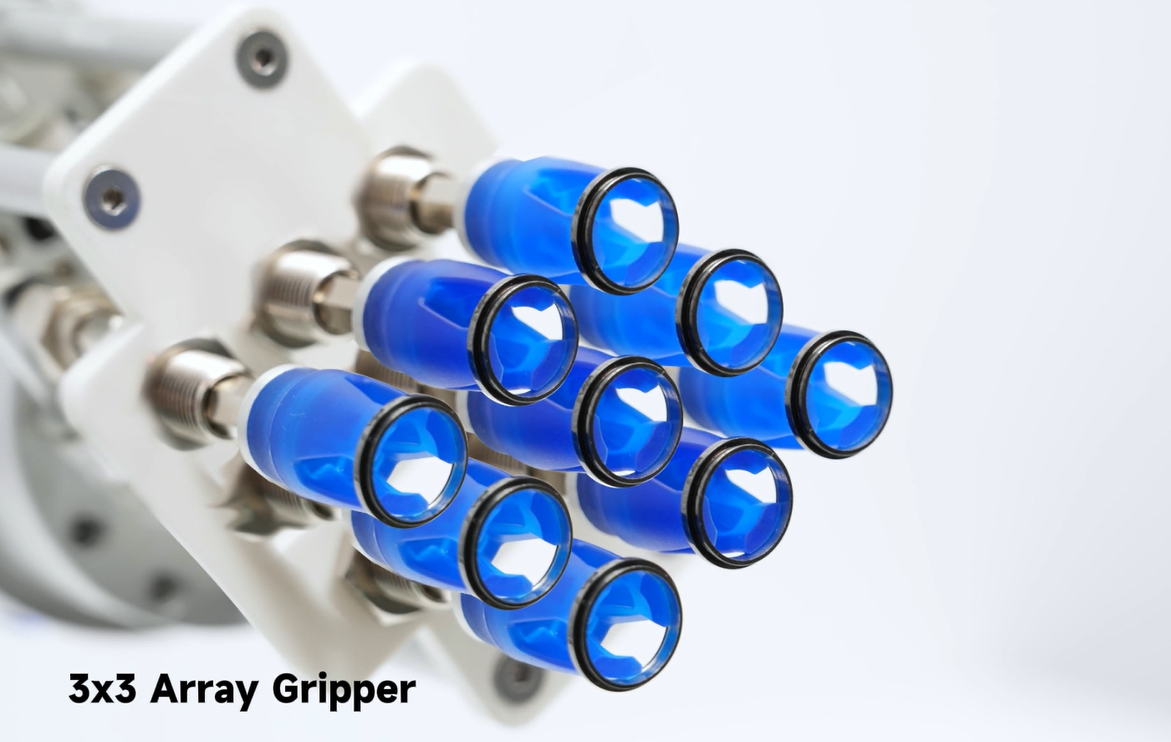
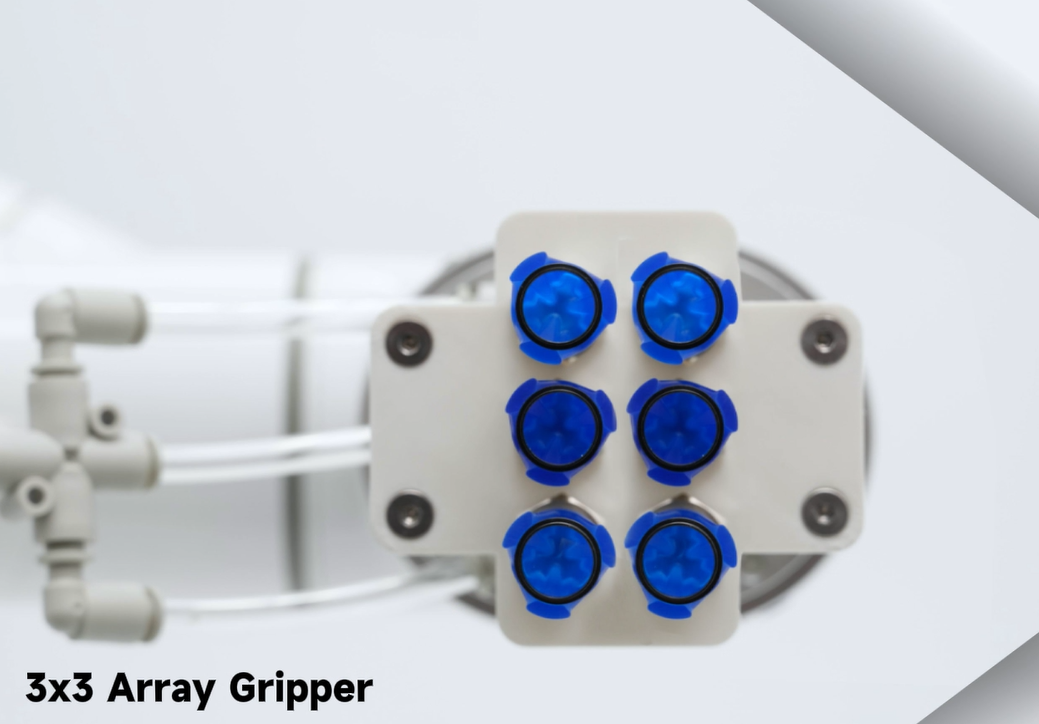
Modern industries increasingly depend on automation technologies that deliver precision, flexibility, and reliable product handling. Soft Gripper technology has become an important development in robotics because it enables machines to handle objects with different shapes, sizes, and surface characteristics. From food processing to electronics manufacturing, flexible gripping systems help businesses improve handling efficiency while reducing the risk of damaging delicate products.
Understanding the Role of Soft Robotics
Traditional robotic gripping systems generally use rigid mechanical components designed for specific handling requirements. In comparison, Soft Grippers incorporate flexible structures that adapt to the contours of different objects. This adaptability makes them suitable for applications involving fragile materials, irregular products, and variable production requirements.
The development of advanced automation has increased interest in Soft Robotics Inc and the broader soft robotics industry. A Soft Robot Gripper can accommodate product variations while supporting controlled picking and placement. Similarly, a Soft Robotics Gripper provides manufacturers with opportunities to automate repetitive handling operations without depending entirely on rigid gripping mechanisms.
A well-designed Robot Soft Gripper can help simplify product transfer, sorting, and packaging tasks. Its suitability depends on the application, gripping mechanism, material properties, and integration with existing robotic equipment.
Advantages of Flexible Gripping Technology
One major benefit of Soft gripping is its ability to provide adaptable contact with objects. A Soft Robotic Finger can conform to an object's shape, helping distribute pressure and protect sensitive surfaces during handling.
This capability is useful in food processing, agriculture, pharmaceutical packaging, and electronics manufacturing. Soft Finger Robotics also supports the development of robotic systems capable of handling products with different geometries.
Businesses evaluating the Best Soft Robot Gripper should consider gripping accuracy, payload capacity, operating speed, durability, and compatibility with their production processes. A Strong Soft Robotic Gripper can provide dependable handling when its construction and operating parameters match the application's requirements.
Pneumatic Gripping Solutions for Industrial Applications
Pneumatic actuation is commonly used in industrial automation because compressed air can provide controlled movement and practical system integration. A Pneumatic Gripper supports repetitive gripping operations, while a Soft Pneumatic Gripper combines pneumatic actuation with flexible materials.
These technologies can assist automated assembly, sorting, packaging, and material transfer. Selecting an appropriate Soft Gripper Robot requires evaluating air pressure, gripping force, cycle time, maintenance needs, and production conditions.
For specialized applications, a Pneumatic Magnetic Gripper may combine pneumatic operation with magnetic holding capabilities. Its suitability depends on the materials being handled and the specific requirements of the automated process.
Vacuum-Based Gripping and Suction Technology
Vacuum gripping provides another practical solution for automated material handling. A Robot Vacuum Gripper uses suction to hold suitable objects during transportation and placement, making it useful for selected packaging and manufacturing operations.
A Soft Robotics Suction Cup can provide adaptable surface contact when handling compatible products. Similarly, a Robot Suction Gripper can support repetitive picking operations where an effective vacuum seal can be maintained.
Before implementing these systems, manufacturers should evaluate surface texture, porosity, object weight, vacuum requirements, and operating conditions. Proper selection helps improve gripping reliability and reduces the likelihood of accidental product release.
Selecting the Right Manufacturer and Supplier
Choosing suitable equipment requires careful evaluation of product quality, technical expertise, and application compatibility. The Best Soft Gripper Manufacturer should provide clear specifications, appropriate customization options, and reliable technical assistance.
When comparing Robot Gripper Manufacturers, businesses should examine gripping performance, material quality, equipment integration, maintenance requirements, and long-term operating costs. An experienced Soft Robotics Solutions Supplier can help identify suitable configurations for specific production challenges.
SRT Soft Gripper highlights the importance of selecting adaptable gripping technology according to real industrial requirements. Businesses should conduct application testing to determine whether a proposed system meets their expectations for gripping force, cycle speed, product protection, and operational consistency.
Industry Applications of Soft Robotic Grippers
Flexible robotic gripping systems offer potential benefits across diverse industries. Food manufacturers can use suitable gripping mechanisms to handle delicate fruits, vegetables, and bakery products. Electronics facilities may require compliant handling for sensitive components, while packaging operations can benefit from systems that accommodate products of varying dimensions.
A Soft Robotic Gripper can support applications where product variation makes conventional gripping difficult. The Srt Soft Robot Gripper concept reflects the increasing demand for automation solutions that combine flexibility with dependable performance.
Agricultural automation can also benefit from gripping systems designed for different produce shapes and sizes. Meanwhile, manufacturing facilities can integrate flexible grippers with robotic arms, sensors, and control systems to improve production adaptability.
Every application requires consideration of hygiene standards, environmental conditions, maintenance schedules, and product sensitivity. These factors help ensure that the selected technology supports the intended operational goals.
Future Developments in Soft Robotics
The future of soft robotics will increasingly involve intelligent control, advanced sensing, and improved material design. These developments may allow gripping systems to respond more effectively to changes in object position, shape, and surface conditions.
Manufacturers investing in appropriate automation technologies can improve process flexibility and prepare their operations for evolving production demands. Selecting equipment according to measurable requirements remains essential for achieving consistent results.
Conclusion
Soft robotic gripping technology offers flexible solutions for modern industrial handling. From pneumatic mechanisms to vacuum-based systems, these technologies support adaptable automation across multiple sectors.
By evaluating technical specifications, supplier capabilities, operating requirements, and maintenance costs, businesses can make informed decisions about robotic gripping equipment. As industrial automation advances, Soft Grippers will continue to contribute to efficient material handling, improved adaptability, and dependable manufacturing processes.