Industrial automation is transforming manufacturing operations by introducing advanced technologies that improve efficiency, accuracy, and production flexibility. Robotic gripping systems are an essential part of this transformation because they enable machines to handle different objects with precision and consistency. Among these innovations, the Soft Gripper is becoming an increasingly valuable solution for industries that require adaptable and gentle material handling.
Unlike conventional rigid gripping equipment, soft robotic technology uses flexible materials and specialized mechanisms to adjust to different object shapes. This capability makes it suitable for handling delicate products, irregular components, and materials with varying physical characteristics.
Understanding Modern Soft Gripping Technology
A Soft Robot Gripper is an advanced robotic component designed to hold, lift, and transfer objects through flexible gripping structures. These systems may incorporate elastic materials, pneumatic chambers, and adaptable fingers to achieve controlled movement.
Traditional mechanical grippers usually depend on fixed contact points and rigid jaws. However, Soft Grippers can conform to object surfaces, providing more adaptable contact during handling operations.
A Soft Robotics Gripper can be engineered using silicone, elastomers, and specialized polymers. Its performance depends on material flexibility, gripping force, structural design, and the selected actuation mechanism.
Different Types of Robotic Gripping Solutions
Different industrial applications require specialized gripping mechanisms. Modern soft robotics offers multiple configurations to support different production requirements.
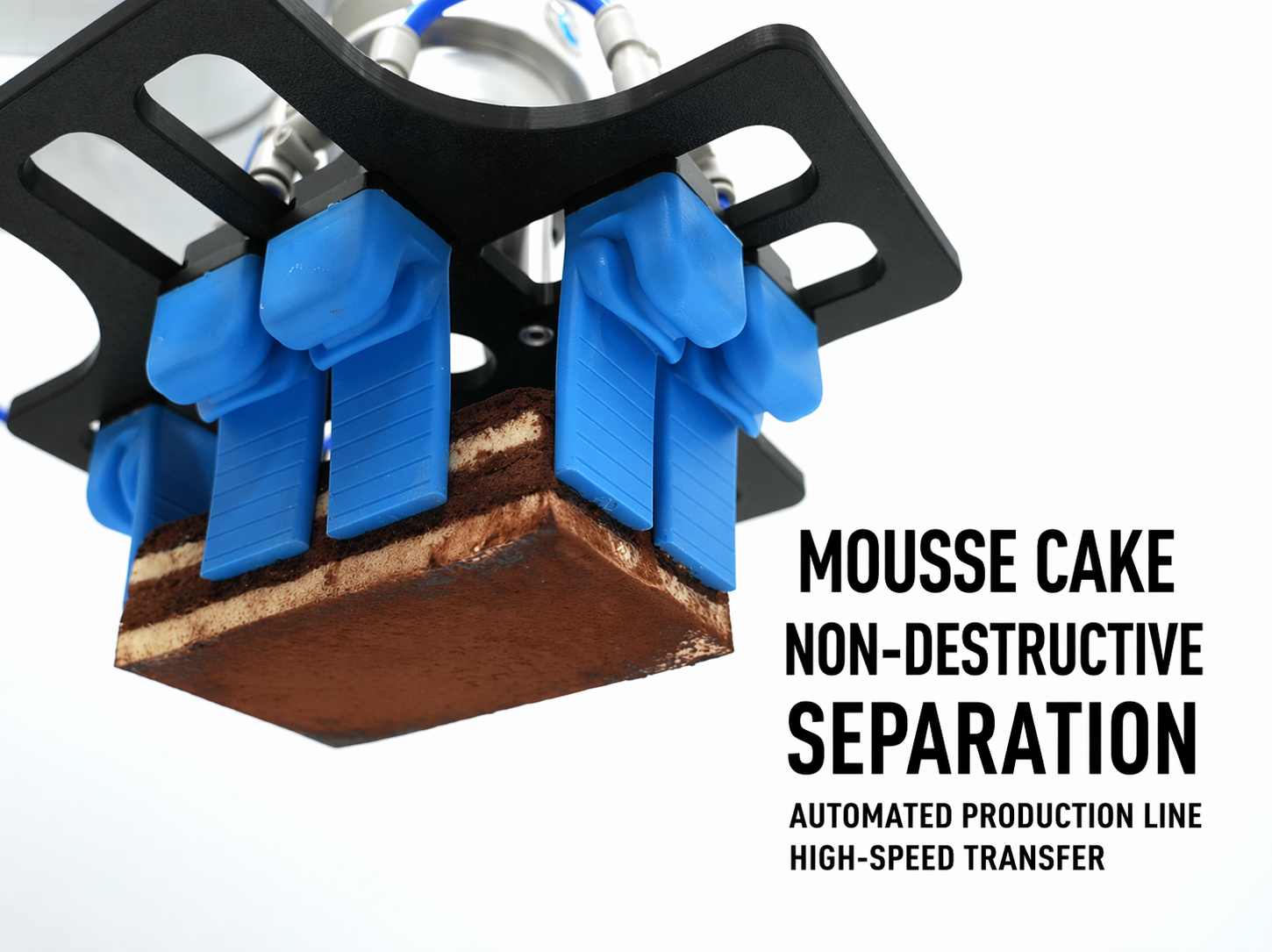
A Soft Robotic Gripper commonly incorporates flexible fingers that bend around an object. Each Soft Robotic Finger can be designed with specific dimensions, flexibility, and movement characteristics to achieve the required gripping performance.
Soft Finger Robotics focuses on developing adaptable finger structures that improve object contact and handling flexibility. These systems can be useful when products have irregular shapes or delicate surfaces.
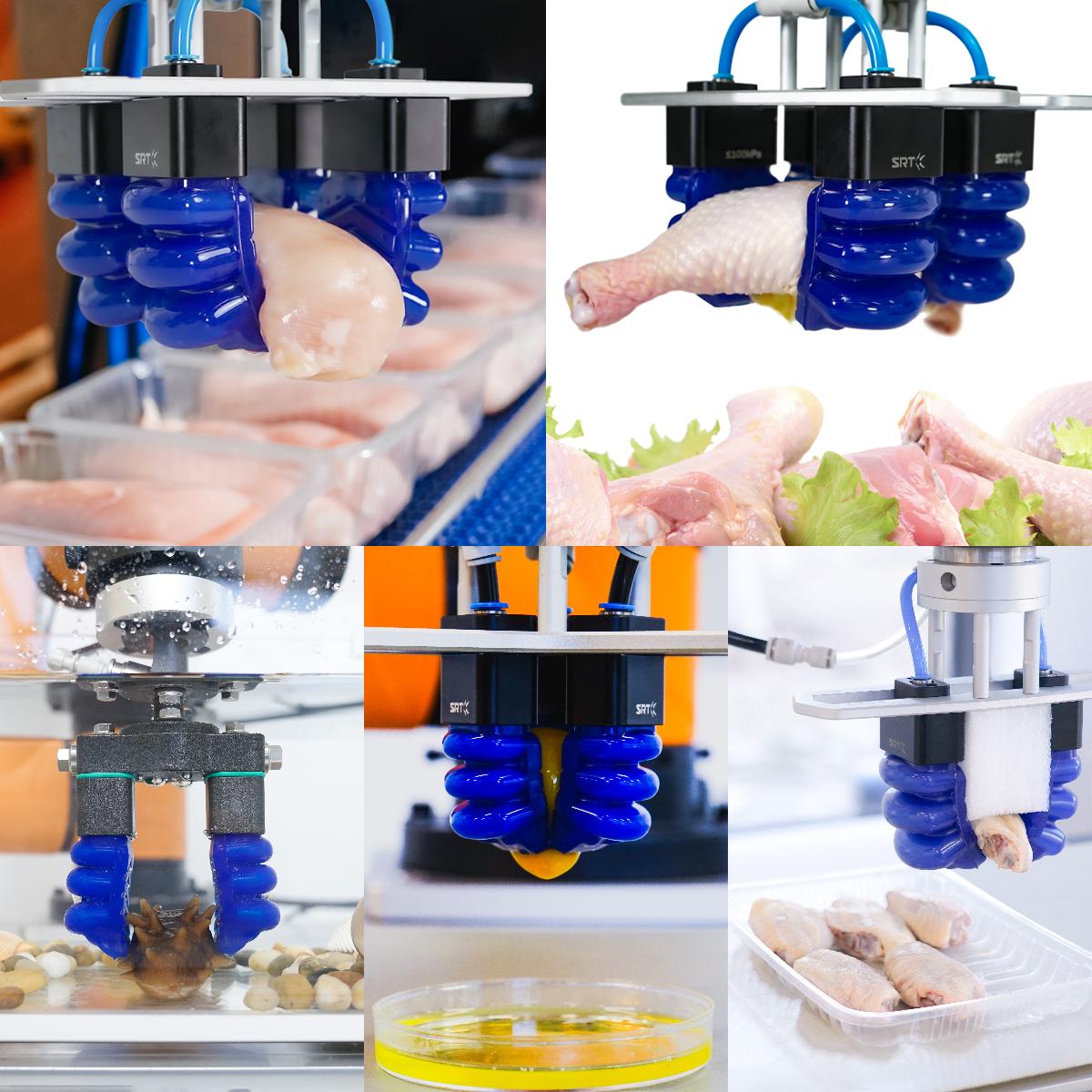
A Pneumatic Gripper uses compressed air to generate mechanical movement. A Soft Pneumatic Gripper uses flexible air chambers that expand or bend when pneumatic pressure is introduced. This mechanism allows controlled finger movement and supports different gripping applications.
Vacuum-based technologies provide additional possibilities. A Soft Robotics Suction Cup uses vacuum pressure to hold compatible surfaces, while a Robot Suction Gripper supports automated picking and transferring operations.
A Pneumatic Magnetic Gripper combines pneumatic actuation with magnetic holding capabilities for suitable materials. Similarly, a Robot Vacuum Gripper can support vacuum-assisted lifting and automated material handling.
Key Benefits of Soft Robotic Grippers
The growing demand for Soft gripping technology is connected to several important industrial advantages.
1. Adaptable Handling: A Robot Soft Gripper can accommodate variations in product shapes and dimensions within its designed gripping range.
2. Gentle Product Contact: Flexible gripping surfaces can distribute pressure across an object's surface, helping reduce the possibility of damage.
3. Production Flexibility: A Soft Gripper Robot can be configured for different activities, including picking, sorting, packaging, and transferring products.
4. Application-Specific Strength: A Strong Soft Robotic Gripper balances flexibility, structural stability, and sufficient holding force for its intended purpose.
5. Automation Opportunities: Soft robotic gripping systems can integrate with compatible robotic arms and automated production equipment.
Selecting the Right Manufacturing Partner
Choosing appropriate gripping equipment requires careful evaluation of product specifications and manufacturer expertise. Businesses should consider payload capacity, gripping dimensions, material quality, operating pressure, durability, and maintenance requirements.
Experienced Robot Gripper Manufacturers understand the importance of application-specific engineering. They evaluate object weight, surface texture, product dimensions, and operating conditions before recommending suitable gripping technologies.
A professional Soft Robotics Solutions Supplier can provide technical guidance, customized configurations, application testing, and integration support.
When comparing Soft Robotics Inc with other technology providers, businesses should evaluate engineering capabilities, documented product performance, customization options, and after-sales assistance. The Best Soft Gripper Manufacturer should provide solutions that match practical industrial requirements.
SRT Soft Gripper is a business name that interested buyers can explore when researching flexible robotic gripping technologies. Reviewing available product specifications and application compatibility can help identify an appropriate solution.
Applications Across Industrial Sectors
Soft robotic gripping technology offers opportunities across several industries.
In food processing, flexible mechanisms can handle fruits, vegetables, bakery products, and other delicate materials. Pharmaceutical manufacturers can explore soft gripping systems for handling lightweight products and sensitive packaging.
Electronics manufacturers may use a Soft Robotic Gripper for handling small components that require controlled contact. Warehousing and logistics facilities can also benefit from robotic gripping systems for picking, sorting, and transferring different products.
The Best Soft Robot Gripper depends on the intended application, payload requirements, gripping accuracy, and operating environment. A Srt Soft Robot Gripper should be assessed through technical documentation and practical performance testing before implementation.
Factors to Consider Before Installation
Successful implementation starts with understanding the characteristics of the products being handled. Businesses should evaluate object weight, dimensions, surface texture, fragility, and required operating speed.
Compatibility with robotic arms, pneumatic equipment, vacuum generators, and control systems is equally important. Regular maintenance of flexible fingers, pneumatic chambers, and contact surfaces helps maintain consistent gripping performance.
Proper installation, operator training, and routine inspections further support reliable automation.
Future Developments in Soft Robotics
Advancements in artificial intelligence, material science, sensor technology, and robotic control systems are creating new opportunities for flexible automation.
Future gripping technologies may offer improved adaptability, intelligent pressure control, and better interaction with different products. As industries continue adopting smart manufacturing practices, soft robotic systems will become increasingly relevant.
Conclusion
Soft robotic gripping technology is creating new possibilities for modern industrial automation. Its flexible structures, adaptable fingers, and specialized gripping mechanisms provide practical solutions for handling products with different characteristics.
By evaluating technical specifications, application requirements, and manufacturer capabilities, businesses can select appropriate gripping equipment. Continued innovation in soft robotics will support more flexible, efficient, and responsive industrial manufacturing.